Worlds of space: Planets, moons, exoplanets and black holes, with their sources
For every video I research with NASA, ESA, JPL, ESO and the scientific papers. Here I gather it world by world: what we know about each one, where every fact comes from and the videos where I tell it.
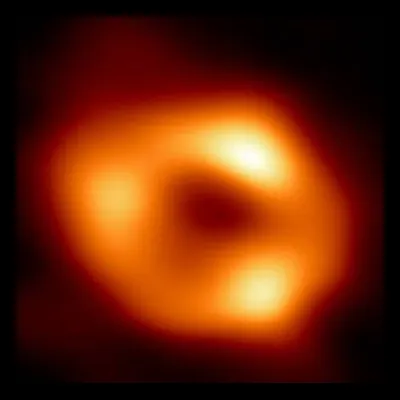
34 worlds, from Earth to Sagittarius A*, the black hole at the centre of the galaxy. The same real places my game Orbit travels through.
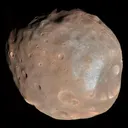
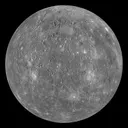
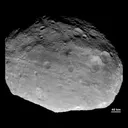
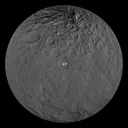
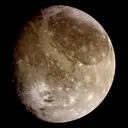
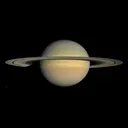
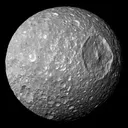
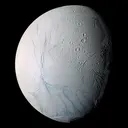
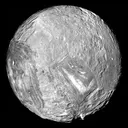
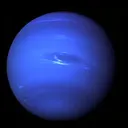
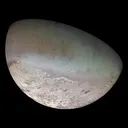
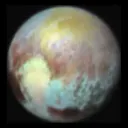
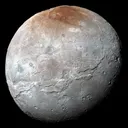
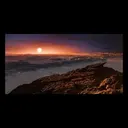
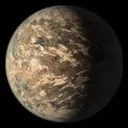
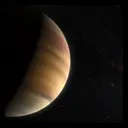
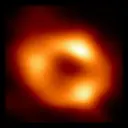
From Earth to the centre of the galaxy
Grouped by region, from the nearest to the farthest.
Solar System
-
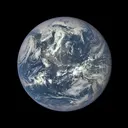
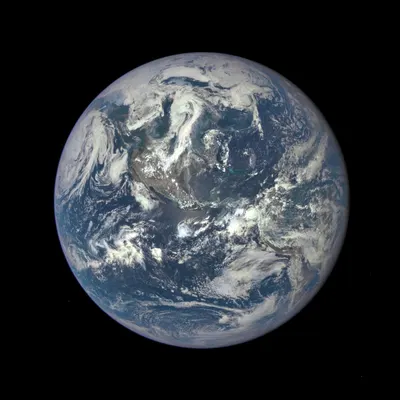 Earth
the only world with oceans in plain sight
-
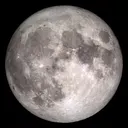
 Moon
drifting 3.8 cm farther every year
-
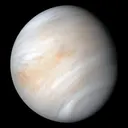
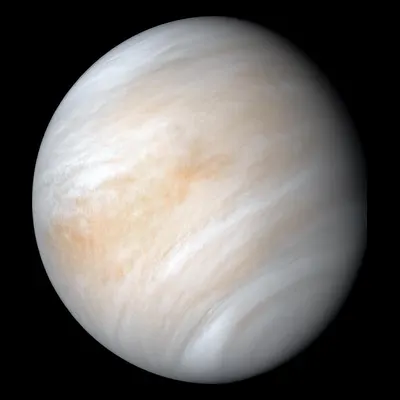 Venus
where the Sun rises in the west
-
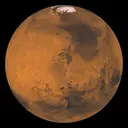
 Mars
the largest volcano in the Solar System
-
 Phobos
the moon falling onto Mars
-
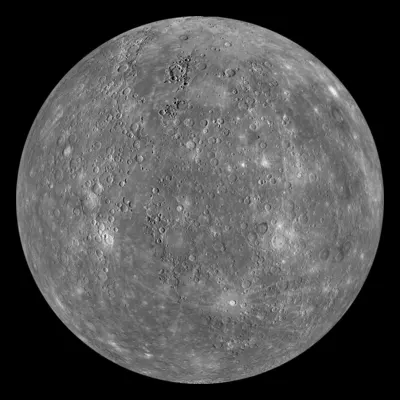 Mercury
430 °C by day, −180 °C at night
-
 Vesta
pieces of it land on Earth
-
 Ceres
a quarter of the asteroid belt
-
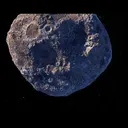
 Psyche
an asteroid that may be metal
-
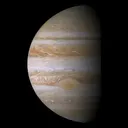
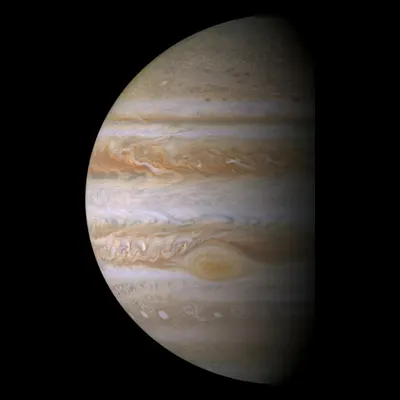 Jupiter
a storm bigger than Earth
-
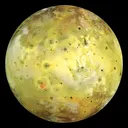
 Io
about 400 volcanoes on one moon
-
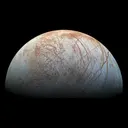
 Europa
twice Earth’s water, under the ice
-
 Ganymede
a moon bigger than a planet
-
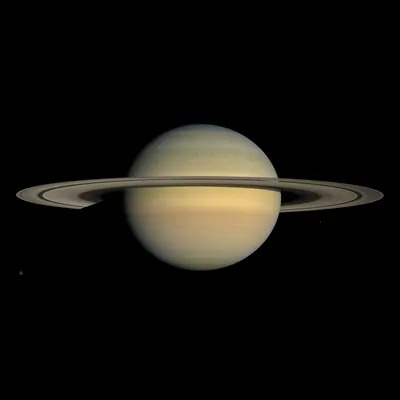 Saturn
it would float in water
-
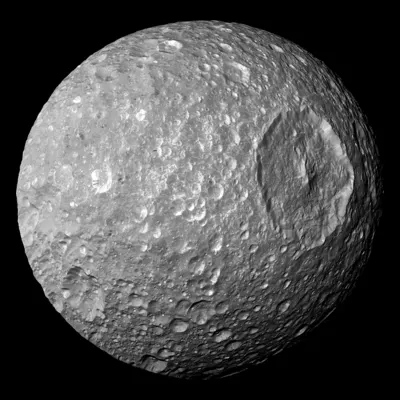 Mimas
the Death Star hides an ocean
-
 Enceladus
the moon that spits water into space
-
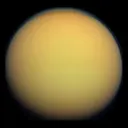
 Titan
a moon where you could fly
-
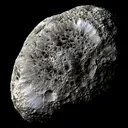
 Hyperion
a tumbling sponge
-
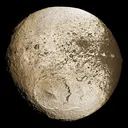
 Iapetus
one black face and one white
-
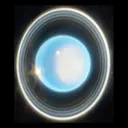
 Uranus
a planet that spins on its side
-
 Miranda
the Frankenstein moon
-
 Neptune
the fastest winds in the Solar System
-
 Triton
the moon that goes backwards
-
 Pluto
a heart of frozen nitrogen
-
 Charon
the moon Pluto paints red
Other stars
-
 Proxima Centauri b
the nearest known exoplanet
-
 TRAPPIST-1 e
one of seven Earth-sized worlds
-
 51 Pegasi b
the first planet of a Sun-like star
-
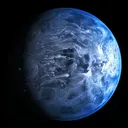
 HD 189733 b
it may rain glass, sideways
-
 K2-18 b
methane confirmed, life not
-
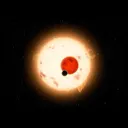
 Kepler-16 b
a planet with two suns
-
 KELT-9 b
hotter than most stars
-
 Gaia BH1
the nearest known black hole
Centre of the galaxy
Latest updated planets
The places with the newest video or post. Each one opens its page.
Latest videos
Shorts from my YouTube channel, in Spanish. Under each one, the page of the place it is about.
-
Superluna 2026: lo gigante te lo pone tu cerebro
-
¿Un nuevo planeta enano más allá de Plutón?
-
El truco gravitatorio de la NASA para viajar a Marte
-
La NASA llamó a la Voyager 1… y no contestó
-
Marte y Júpiter casi pegados: 15 y 16 de noviembre
With AI-made illustrations, labelled on screen
-
Mercurio está a 430 °C… y tiene hielo
-
Qué le pasa a tu cuerpo en el espacio: 5 cambios
With AI-made illustrations, labelled on screen
-
Los chorros de Europa que casi seguro no existían
-
Por qué la NASA no quiere aterrizar en Europa
With AI-made illustrations, labelled on screen
-
Europa tiene sal de mesa (y no hablo del continente)
No video loads until you tap one. Then it comes from YouTube (youtube-nocookie.com), which receives your IP address. More in the website privacy policy.
How I check every fact
Every fact comes from a source I link at the bottom of its page: NASA, ESA, JPL, ESO or the scientific paper. If something is an estimate or my own sum, the text says so. If you spot a mistake, write to me at soporte@fastdator.com and I will fix it.
And to see them for real, play:

Free on Android and in the browser. No ads, no purchases.